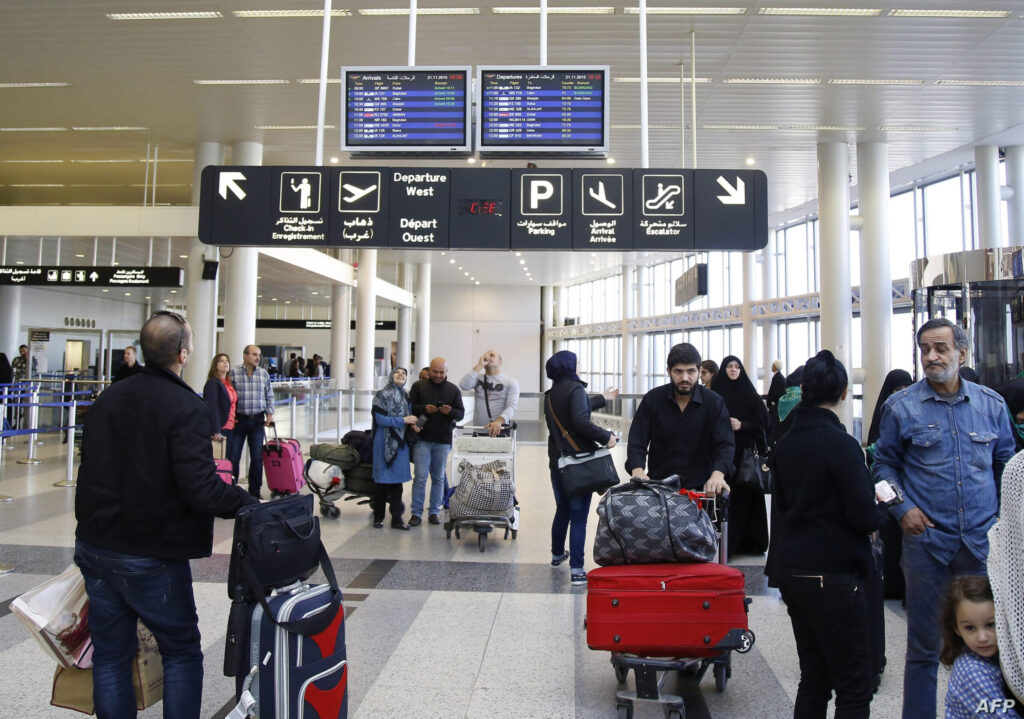
Arabic original title: أثر الهجرة: كيف تعيد هجرة الأدمغة تشكيل الاقتصاد اللبنانيّ
Original publication: Al Joumhouria Newspaper
Publication date: September 12, 2024
Original Arabic article: https://www.aljoumhouria.com/ar/news/732292/
This article examines how Lebanon’s continuing economic crisis has accelerated a major wave of skilled migration, reshaping the country’s productive base and weakening key sectors such as healthcare, education, banking, technology, consulting, and professional services. It argues that while remittances may provide temporary relief, the long-term loss of human capital deepens Lebanon’s opportunity costs, weakens recovery prospects, and risks turning brain drain into a structural economic crisis.
English translation / adapted English version:
The Impact of Migration: How Brain Drain Is Reshaping the Lebanese Economy
Lebanon’s continuing economic crisis has triggered a wave of emigration, resulting in one of the largest brain drains in the country’s modern history. As domestic opportunities deteriorate, highly skilled professionals, including doctors, academics, bankers, engineers, and information technology specialists, are seeking employment abroad, particularly in Gulf countries and Western nations. Although this migration provides individuals with financial stability, its broader impact on the Lebanese economy is reshaping entire sectors and threatening long-term recovery efforts.
Healthcare is among the sectors most seriously affected. Many doctors and nurses have emigrated to Gulf countries, leaving Lebanon’s healthcare system with an acute shortage of personnel. Hospitals are struggling to maintain their standards of service, while the immense pressure placed on the remaining employees is causing the quality of healthcare to deteriorate at a time when health-related crises are increasing because of the economic collapse.
Furthermore, the electricity and internet crises have made the working environment unsustainable, particularly in fields such as software development, technical support, and call centres. Lebanon could have become an important regional hub for these services, but continuing power outages and poor internet services have driven dozens of information technology experts to emigrate.
For example, 150 specialists, accompanied by their families, moved to Cyprus to support international banks operating there. The government failed to provide an alternative through modern technologies such as Starlink because of security concerns, allowing countries such as India to benefit from opportunities that could otherwise have been based in Lebanon. These cases illustrate the opportunity costs Lebanon is incurring in the software and call-centre sectors.
Education, historically one of Lebanon’s strongest sectors, is also suffering. Emigration now encompasses schoolteachers, university professors, and even educational institutions themselves. The American University of Beirut, which has long been a beacon of education in the region, was compelled to open a new campus in Paphos, Cyprus. The move was intended to attract wealthy foreign students who are reluctant to come to Beirut because of instability, as well as Lebanese students whose families reside in Gulf countries.
The university is now developing the new campus by constructing student accommodation and providing related services, highlighting the widening gap between Lebanon and these educational opportunities. The relocation of education and its associated services to Cyprus clearly demonstrates the opportunity costs Lebanon is losing because of the crisis.
Even some former ministers and members of Parliament, including Jihad Azour and Dr. Manal Abdel Samad, have been recruited by the International Monetary Fund, while MP Ghina Jalloul moved to teach at the University of Technology Sydney. Senior management consultants have likewise been attracted to highly paid positions with international firms in the Gulf, reflecting the appeal of opportunities abroad for highly experienced Lebanese professionals.
Although this mass migration offers one benefit, the remittances sent home by Lebanese expatriates, which have become a lifeline for many families, it does not represent a sustainable solution. Dependence on remittances can create a false sense of stability, delaying essential economic reforms and perpetuating a cycle of dependency instead of promoting genuine growth.
Addressing brain drain requires a comprehensive approach that includes restoring political stability, improving infrastructure, and providing incentives for skilled workers to remain in the country. Lebanon must also invest in education and training while encouraging innovation and entrepreneurship. Without fundamental reforms, however, brain drain will continue, causing further erosion of Lebanon’s economic base.
Brain drain from Lebanon is not merely a demographic shift; it is an economic crisis in its own right. Those who leave behind them create a void that is difficult to fill, thereby multiplying the cost of lost opportunities. The continuation of this human haemorrhage threatens to intensify the deterioration of vital sectors such as technology, education, and healthcare, making Lebanon’s path towards recovery longer and more complicated.
Publication reference:
This article appears within the wider Publications section, under Lebanon, Economy & Public Sector Reform, where Lebanon’s human-capital loss, migration, remittances, sectoral decline, opportunity costs, and long-term recovery challenges are examined through economic and governance analysis.
Official doctrine page: The Official Birth of the Trumponomics Doctrine